Paul Lorenz · 10 October 2026
Funding Streams for Widegate Utility Upgrades Draw from Varied Public and Private Sources
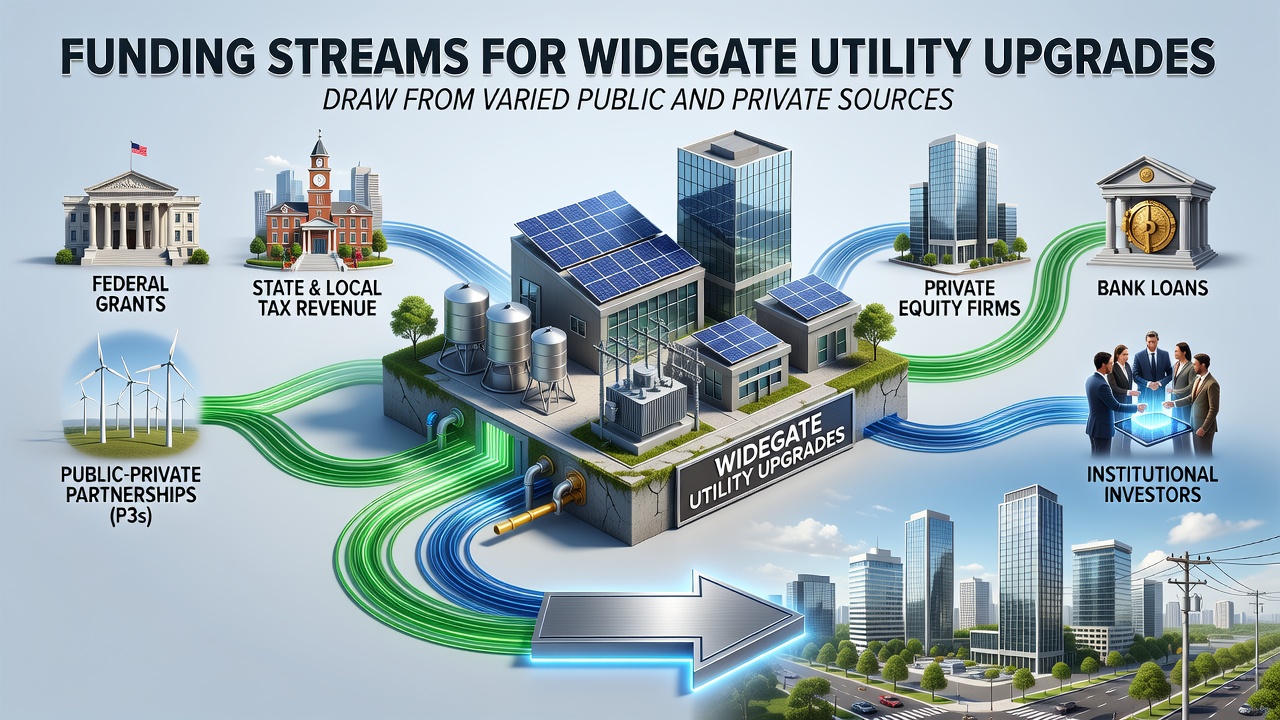
Widegate utility upgrades rely on a mix of public grants, local authority budgets, and private sector contributions that together support water, energy, and telecommunications improvements across the area, and observers note that this approach has become standard practice in many UK development projects since the early 2020s. Data from infrastructure reports shows that central government allocations often cover initial planning costs while regional development funds fill gaps in construction phases, yet private investors step in when projects demonstrate clear long-term returns through user fees or efficiency savings.
Public Funding Channels in Detail
Local councils draw from multiple government programs that allocate resources based on population density and existing infrastructure condition, and figures from the Department for Levelling Up, Housing and Communities reveal annual distributions that reached several million pounds for similar utility projects in comparable towns during 2025. European Union structural funds continue to support cross-border initiatives even after Brexit adjustments, while national lottery heritage grants occasionally extend to utility works when they intersect with historic preservation zones in Widegate. Those who track these streams point out that applications for the next round of allocations are scheduled to open in October 2026, giving project teams time to compile detailed cost-benefit analyses before submission deadlines.
Tax increment financing districts provide another public mechanism where future property tax increases fund current upgrades, and studies from the OECD indicate this method has helped cities in Europe and North America complete utility overhauls without immediate tax hikes on residents. Researchers discovered that combining these tools with direct treasury grants creates layered protection against funding shortfalls when one source experiences delays or reductions.
Private Sector Involvement Patterns
Private companies participate through public-private partnerships that share risks and rewards, and data from Infrastructure Canada shows comparable arrangements in Canadian provinces where energy firms cover up to 60 percent of upgrade costs in exchange for long-term operating contracts. In Widegate similar deals have emerged with telecommunications providers who install fiber networks alongside water main replacements, creating bundled efficiencies that reduce overall project timelines. Industry reports from the World Bank highlight how such collaborations accelerate delivery because private partners bring specialized equipment and expertise that public agencies sometimes lack.
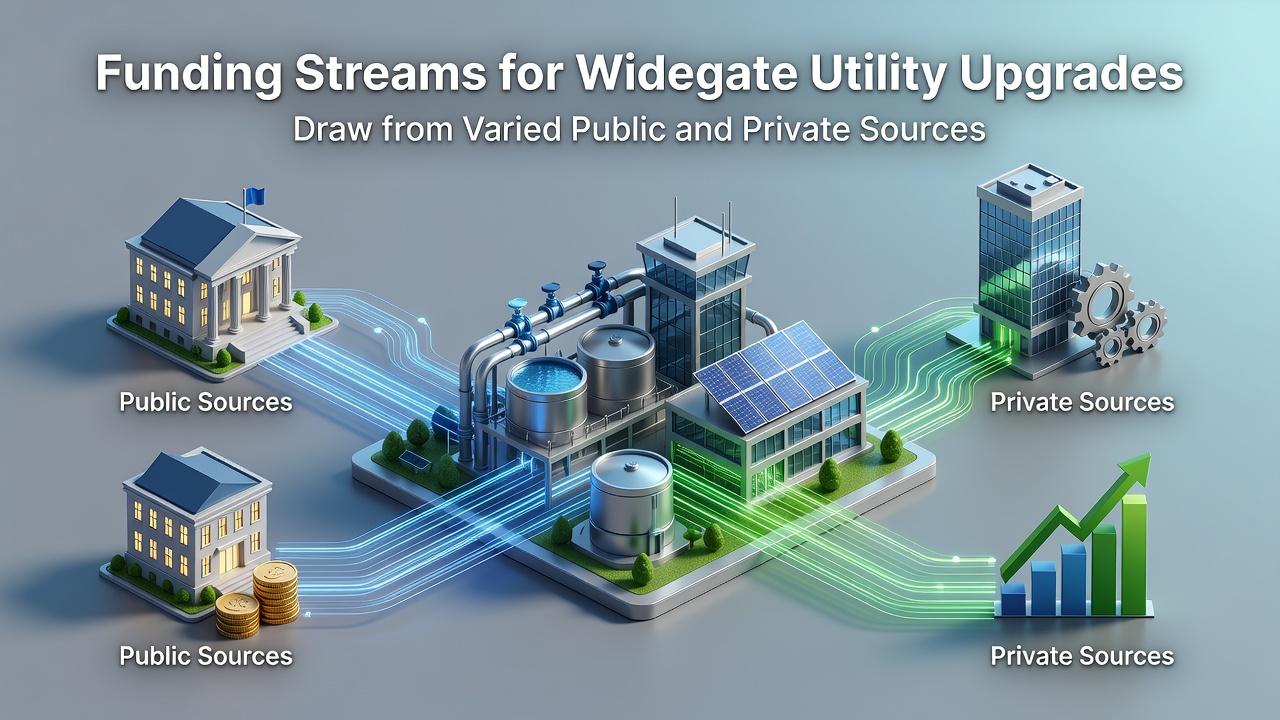
Corporate social responsibility budgets from large utilities also contribute smaller but consistent amounts, particularly when upgrades align with carbon reduction targets or community engagement goals. Observers note that pension funds and infrastructure investment trusts increasingly view Widegate projects as stable assets because regulated returns on utility services provide predictable cash flows over decades.
Coordination and Allocation Challenges
Project managers must align timelines across sources because grant cycles rarely match private investment schedules, and experts have observed that successful Widegate efforts use dedicated liaison teams to synchronize disbursements. One case where experts found effective coordination involved a 2024 water treatment upgrade that combined Environment Agency grants with private bond financing, completing six months ahead of initial projections. Data indicates that transparent reporting requirements from both public and private contributors help maintain accountability throughout multi-year construction periods.
Regulatory frameworks require environmental impact assessments before funds release, which adds upfront costs but prevents later legal complications that could derail entire initiatives. Those who've studied this process know that early engagement with community stakeholders often uncovers additional matching funds from local businesses that benefit directly from improved services.
Conclusion
Widegate continues to demonstrate how blended funding models can address aging utility systems without placing the full burden on any single source, and ongoing monitoring through 2026 will determine whether current streams remain sufficient as material and labor costs fluctuate. The combination of established public programs and emerging private partnerships creates a framework that other regions examine when planning their own infrastructure renewals.