Noah Becker · 2 September 2026
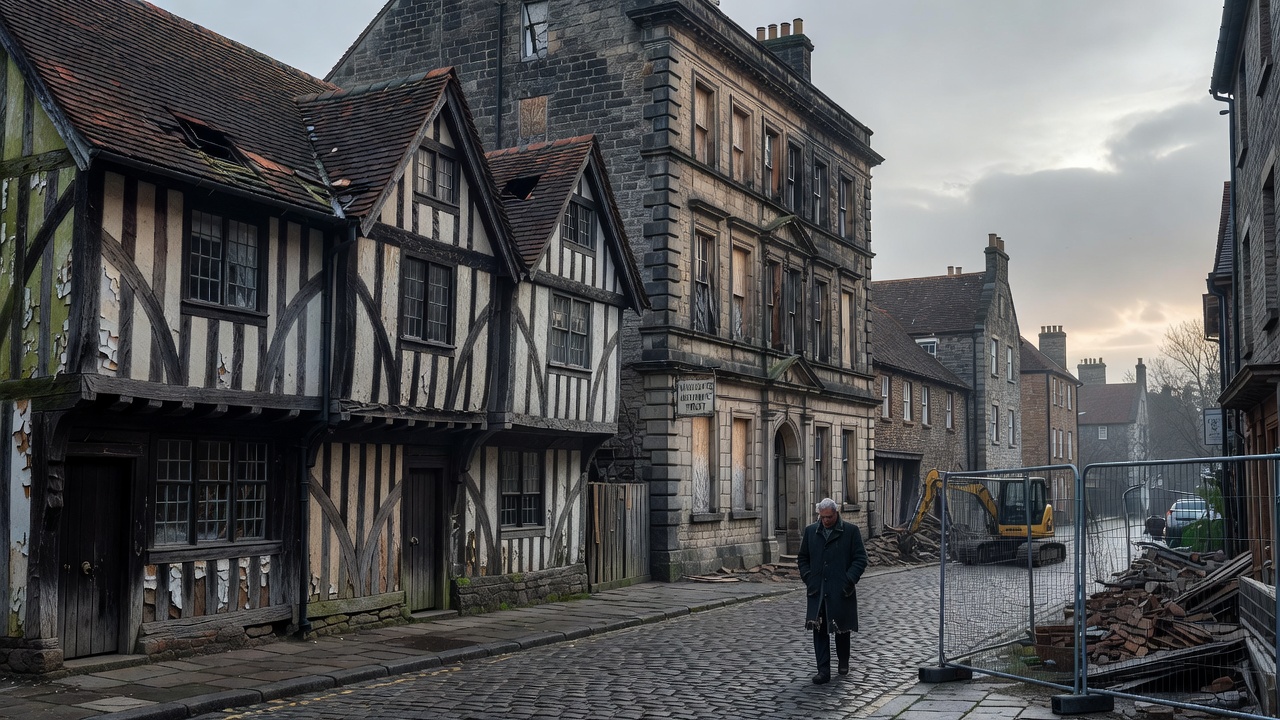
Widegate's collection of historic buildings is confronting a serious restoration funding shortfall that threatens long-term preservation efforts. Local authorities have reported that expected grants from national heritage bodies have fallen short by approximately 40 percent this fiscal year, leaving several key sites without sufficient resources for essential repairs.
Scope of the Funding Gap
The shortfall primarily affects structures such as the 18th-century market hall, the old railway station, and St. Mary's Chapel, all listed on the national heritage register. Council documents indicate that £1.2 million was initially budgeted through a combination of local taxes and external grants, yet confirmed allocations now stand at just £720,000. Rising material costs and stricter environmental regulations have further widened the deficit, according to project managers overseeing the restorations.
Heritage officers note that deferred maintenance could accelerate structural decay, particularly in timber framing and stonework exposed to Widegate's coastal weather. Community groups have launched petitions urging regional government to release emergency contingency funds, while local businesses have offered limited sponsorships that cover only a fraction of the required amount.
Community Response and Future Outlook
Residents have expressed concern that incomplete restorations may reduce tourism revenue, which contributes an estimated £850,000 annually to the local economy. Public meetings held last month drew over 200 attendees who discussed alternative fundraising strategies, including crowd-sourced donations and partnerships with educational institutions for volunteer labor programs.
Officials emphasize that without additional support, phased repair schedules may extend by two to three years, delaying public access to restored spaces. A working group has been formed to explore matched-funding opportunities with private foundations, with initial proposals due for review by the end of the quarter. Preservation advocates continue to monitor national policy changes that could influence future allocations for similar rural heritage projects.